Aperture, shutter speed, and ISO
1. The pupils in your eyes.
2. The smaller the aperture the smaller the background blur, the higher the aperture the bigger the background blur.
2. Aperture impacts depth of field because a bigger aperture will have more background which creates depth. Smaller apertures captures the details in the background and foreground.
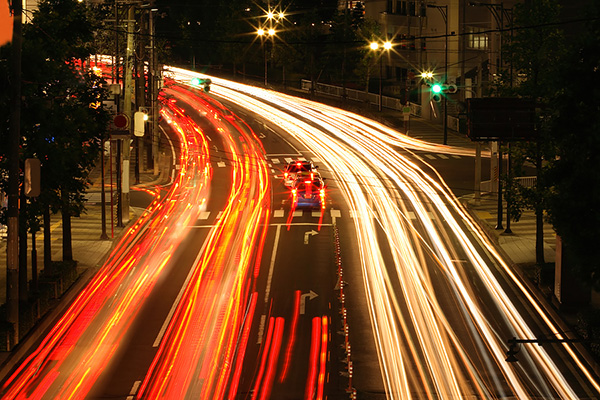
Slow shutter speed

Fast shutter speed
1. D
2. C
Auto mode, manual mode, shutter priority mode. Auto mode is when the camera chooses the shutter speed, not you. Shutter priority mode is when you choose the shutter speed and the camera chooses the aperture. Manual mode is when you choose the shutter speed and the aperture.

ISO 200

ISO 3200
1. The advantages are that shooting at a higher ISO would shoot quickly and wouldn't add blur. IT would keep the details.
2. The author said to stick to the lowest ISO to get the most amount of detail and have the highest image quality.
3. The author said to use the highest setting to capture the image quickly without adding blur.
2. The smaller the aperture the smaller the background blur, the higher the aperture the bigger the background blur.
2. Aperture impacts depth of field because a bigger aperture will have more background which creates depth. Smaller apertures captures the details in the background and foreground.
Slow shutter speed
Fast shutter speed
1. D
2. C
Auto mode, manual mode, shutter priority mode. Auto mode is when the camera chooses the shutter speed, not you. Shutter priority mode is when you choose the shutter speed and the camera chooses the aperture. Manual mode is when you choose the shutter speed and the aperture.
ISO 200
ISO 3200
1. The advantages are that shooting at a higher ISO would shoot quickly and wouldn't add blur. IT would keep the details.
2. The author said to stick to the lowest ISO to get the most amount of detail and have the highest image quality.
3. The author said to use the highest setting to capture the image quickly without adding blur.

Comments
Post a Comment